Is the Evoto AI Scandal Bigger Than Photographers Realize?
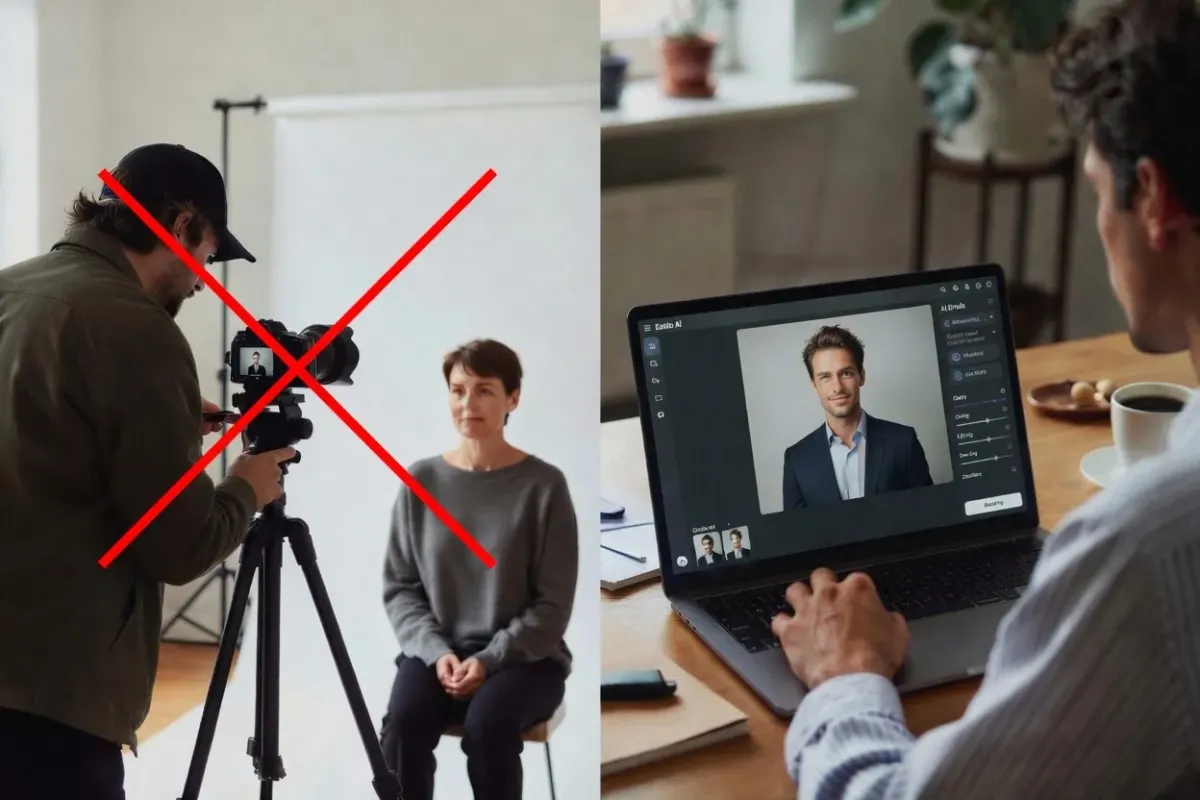
Evoto AI: You Don't Need a Photographer.
The Launch That Sparked Immediate Backlash
What started as another AI product release quickly turned into one of the most talked-about controversies in the photography world. When Evoto AI introduced a new feature allowing users to upload any photo and generate a professional headshot instantly, the reaction was not what many expected.
The issue was not just the technology itself. AI-generated headshots have already existed in different forms. The real spark came from how the product was positioned and marketed. The messaging suggested that users no longer needed a professional headshot photographer to achieve studio-quality results.
That single idea triggered a strong and immediate response across the photography community.
“You Don’t Need a Photographer Anymore?”
For many photographers, the problem was not innovation—it was implication. The marketing narrative felt less like a tool designed to assist professionals and more like a direct replacement for them.
Headshot photography is one of the most accessible and widely practiced genres in the industry. It supports a large number of working photographers, from studio owners to freelancers. By promoting a product that effectively removes the need for that service, Evoto AI stepped into sensitive territory.
Photographers began voicing concerns that this type of messaging undermines the value of professional work, reducing a highly skilled service to something that can be replaced by a quick upload and automated output.
Why This Hit Harder Than Other AI Tools
AI has already entered photography in many ways—culling, editing, retouching, background removal—but those tools generally enhance the photographer’s workflow rather than replace the photographer entirely.
This situation felt different.
Instead of assisting with editing or speeding up post-production, the headshot tool was positioned as a complete alternative to the photography process itself. No session, no lighting setup, no posing, no client interaction. Just an uploaded image transformed into a polished headshot.
That shift moved the conversation from “AI as a tool” to “AI as a replacement,” which is where the backlash intensified.
The Industry Response
The response from photographers was fast and vocal. Across forums, social media, and private groups, many expressed frustration not just with the product, but with the direction it represents.
Some described it as a direct threat to entry-level and mid-level photographers who rely on headshot sessions as a core part of their business. Others pointed out that it devalues the entire process of photography by reducing it to a final image rather than an experience.
There were also concerns about long-term impact. If clients begin to believe that professional-quality results can be achieved without a photographer, it changes expectations across the industry—not just for headshots, but for portrait photography as a whole.
The Missing Piece: The Human Element
One of the strongest arguments raised during the backlash was the absence of the human element. A professional headshot session is not just about the final image. It involves direction, posing, lighting, expression coaching, and creating an environment where the subject feels confident.
AI can generate an image, but it cannot replicate the interaction between photographer and subject. It cannot guide someone through posture adjustments, bring out natural expression, or adapt in real time to different personalities.
For many professionals, this is where the true value of photography lies—not just in the output, but in the process itself.
Is This the Beginning of a Bigger Shift?
The Evoto AI situation may represent more than a single product controversy. It highlights a broader tension within the industry as AI continues to evolve. The line between tool and replacement is becoming increasingly blurred, and companies are beginning to test how far they can push that boundary.
Some photographers believe this is just the beginning. As AI becomes more advanced, similar tools could expand into other areas of photography, from portraits to branding and beyond.
Others argue that while AI can replicate certain visual outcomes, it cannot replace the full experience and artistry that professional photographers provide.
A Question of Positioning, Not Just Technology
Interestingly, much of the backlash centers around messaging rather than capability. If the tool had been positioned as a supplement—for example, helping photographers generate quick previews or expand their services—the reaction might have been very different.
Instead, framing it as a replacement created tension and resistance.
This highlights an important lesson for AI companies entering creative industries. How a tool is presented can be just as important as what it actually does.
Conclusion
The controversy surrounding Evoto AI and its AI headshot tool reflects a growing unease within the photography industry. It is not simply about one feature or one company, but about the direction in which technology is moving and how it is being introduced.
For photographers, the concern is clear. When tools are marketed as replacements rather than enhancements, they challenge not only workflows but the perceived value of the profession itself.
At the same time, this moment also creates an opportunity. It forces the industry to define what makes professional photography irreplaceable. The experience, the connection, the guidance, and the ability to capture something real—these are elements that technology still struggles to replicate.
Whether this becomes a turning point or just another phase in AI’s integration into photography remains to be seen. But one thing is certain: the conversation is far from over.