Why Are So Many Photographers Suddenly Shooting on Film Again?
Film is becoming a serious alternative to digital
A Trend… or the Beginning of a Shift?
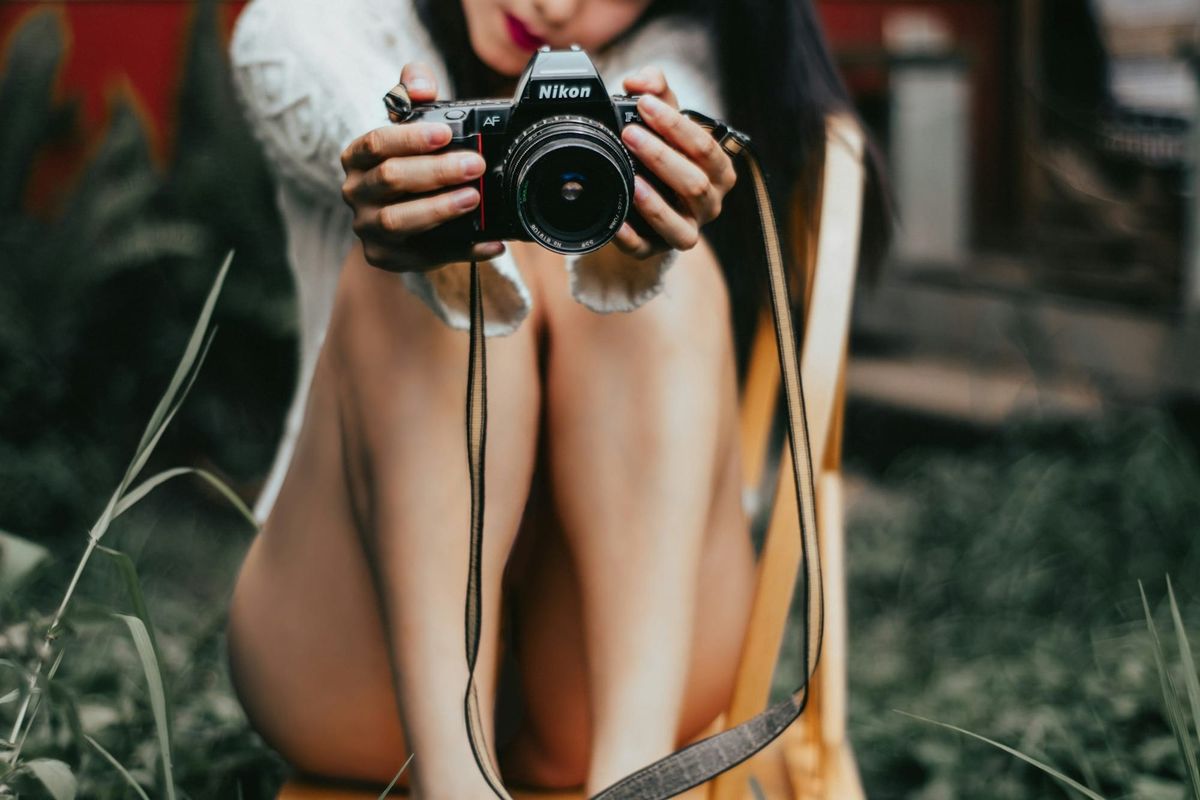
At first, it looked like nostalgia. A few photographers picking up old cameras, experimenting with film, posting grainy black-and-white images with captions about “slowing down.” But recently, the conversation has changed. What once felt like a niche trend is now starting to look like something bigger.
Rumors are spreading across the photography industry that film is not just coming back—it is quietly becoming a serious alternative to digital. And the reason, many believe, is not just aesthetic. It is a reaction.
A reaction to AI.
A reaction to overedited images.
A reaction to a digital world that is starting to feel too perfect to trust.
The AI Fatigue Nobody Expected
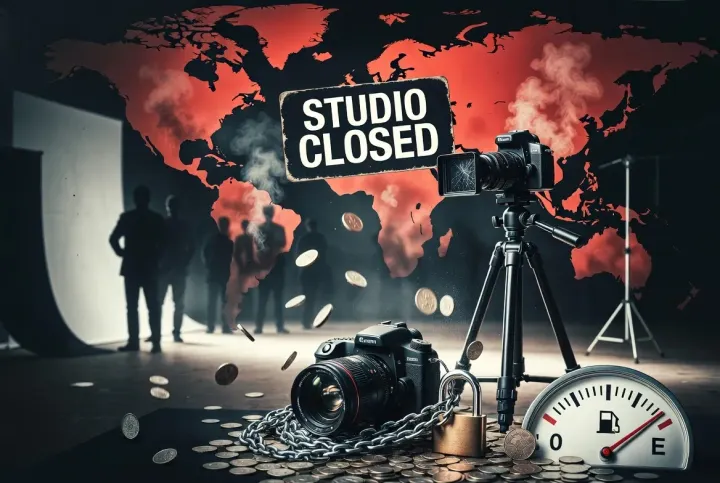
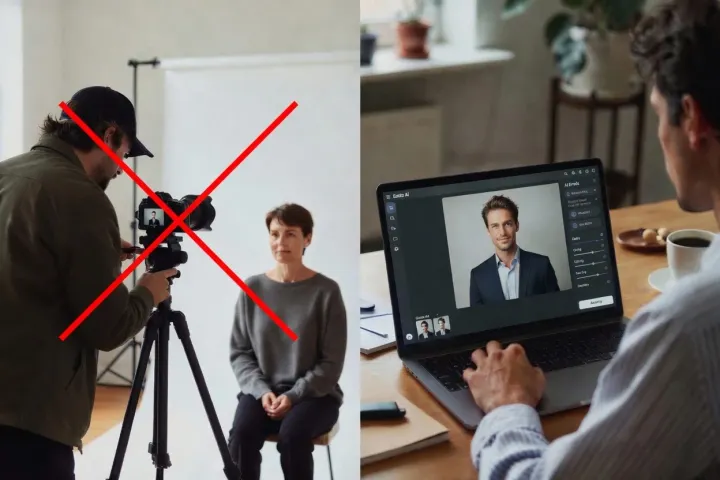
Over the last few years, photography has changed faster than ever. AI editing tools can now reshape faces, smooth skin, replace backgrounds, and generate entire scenes in seconds. While this has made workflows faster, it has also created something unexpected—fatigue.
Photographers are starting to notice that images are beginning to look the same. Clients are seeing thousands of “perfect” photos every day. And perfection, ironically, is starting to lose its value.
This is where film enters the conversation again.
Film is imperfect. It is unpredictable. It forces intention. And in a world filled with artificial perfection, those qualities suddenly feel rare and valuable.
Why Clients Are Starting to See Film as Luxury
Another rumor gaining traction is that clients are beginning to associate film photography with luxury. Not because it is expensive—although it is—but because it feels real.
Film cannot be faked the same way digital images can. It requires skill, patience, and commitment. Every frame costs money. Every mistake is permanent. That alone changes how both the photographer and the client approach the session.
Some photographers are even reporting that when they offer film as part of their service, clients perceive it as more artistic, more exclusive, and more meaningful. It becomes less about quantity and more about the experience.
The Signs Are Already There
If this were just a trend, the industry would not be reacting the way it is. But there are clear signs that something deeper may be happening.
Film prices are rising steadily. What used to be affordable is now becoming a premium resource.
Development turnaround times are getting longer, as labs struggle to keep up with demand.
Mechanical film cameras are increasing in value, sometimes dramatically, as more photographers search for reliable equipment.
At the same time, innovation in digital cameras feels slower. The differences between new models are becoming smaller, more incremental, less exciting.
Individually, these changes might not mean much. But together, they point toward a shift in demand.
Projects Like “The Forbidden Frames” Are Fueling the Movement
One of the most talked-about examples contributing to this shift is The Forbidden Frames by Yuliya Panchenko.
The project focuses entirely on shooting boudoir using film cameras from different eras, removing the safety net of digital previews and heavy post-production. What makes it even more compelling is the raw, behind-the-scenes approach where mistakes, failures, and successes are all part of the process.
It shows something many photographers are starting to realize—when you take away digital convenience, the fundamentals become everything. Posing, lighting, composition, timing. There is no fix later.
For many viewers, this has been a wake-up call. Film is not just a different medium. It is a completely different mindset.
What Happens If Demand Keeps Growing?
This is where the rumors become more intense.
Some photographers are asking a serious question: what happens if demand for film continues to rise—but the number of photographers who actually know how to shoot film does not?
Film is not plug-and-play. It requires understanding exposure without instant feedback, trusting your settings, working with limited frames, and accepting uncertainty. Many photographers who started in the digital era have never had to develop these skills.
If clients begin to value film more and photographers cannot deliver it, it creates a gap. And in any market, gaps create opportunity.
Could Digital and AI Lose Their Value?
This is where the conversation becomes controversial.
There is growing speculation that if the market becomes oversaturated with AI-generated and heavily edited digital images, their perceived value could drop significantly. Not because the technology is bad, but because it becomes too common.
When everything looks perfect, perfection stops standing out.
If film continues to rise as the “authentic” alternative, digital photography could face an identity challenge. It may still dominate in terms of convenience and volume, but its artistic value could be questioned in certain genres.
Some even suggest that AI-driven photography could follow a similar path—initial excitement, mass adoption, and eventual oversaturation leading to reduced impact.
Is This a Cycle or a Turning Point?
Photography has always moved in cycles. Film to digital. Digital to mirrorless. Manual to automated. Each shift brings new possibilities but also new problems.
What makes this moment different is the role of AI. For the first time, technology is not just improving photography—it is redefining what photography even is.
In response, film represents something stable. Something unchanged. Something that still requires the photographer to be fully present in the process.
Conclusion
The return of film photography may have started as a trend, but the signs suggest it could be evolving into something much more significant. Rising costs, limited supply, growing demand, and shifting client perception all point toward a market that is beginning to value authenticity over perfection.
Projects like The Forbidden Frames are accelerating that conversation by showing what photography looks like when stripped back to its core fundamentals.
Whether film becomes dominant again or remains a high-value niche is still uncertain. But one thing is becoming clear: in a world where images can be created instantly and artificially, the process itself is starting to matter again.
And if that continues, photographers who understand film may find themselves holding something far more valuable than just a different camera.