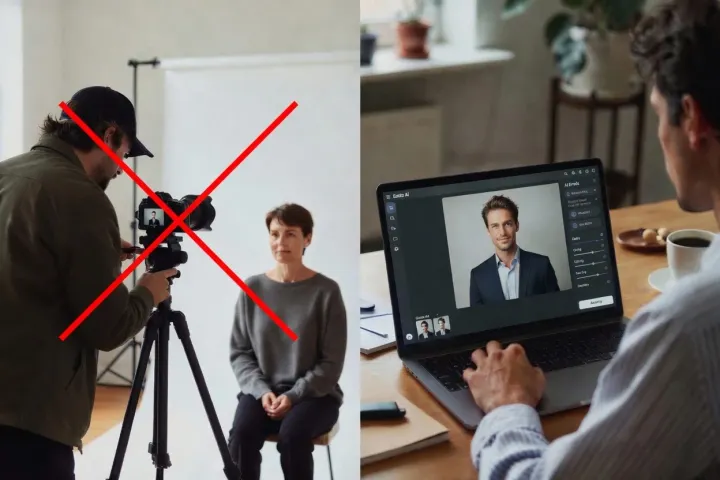
How War Is Quietly Reshaping the Photography Industry
Studio Closures and Industry Contraction
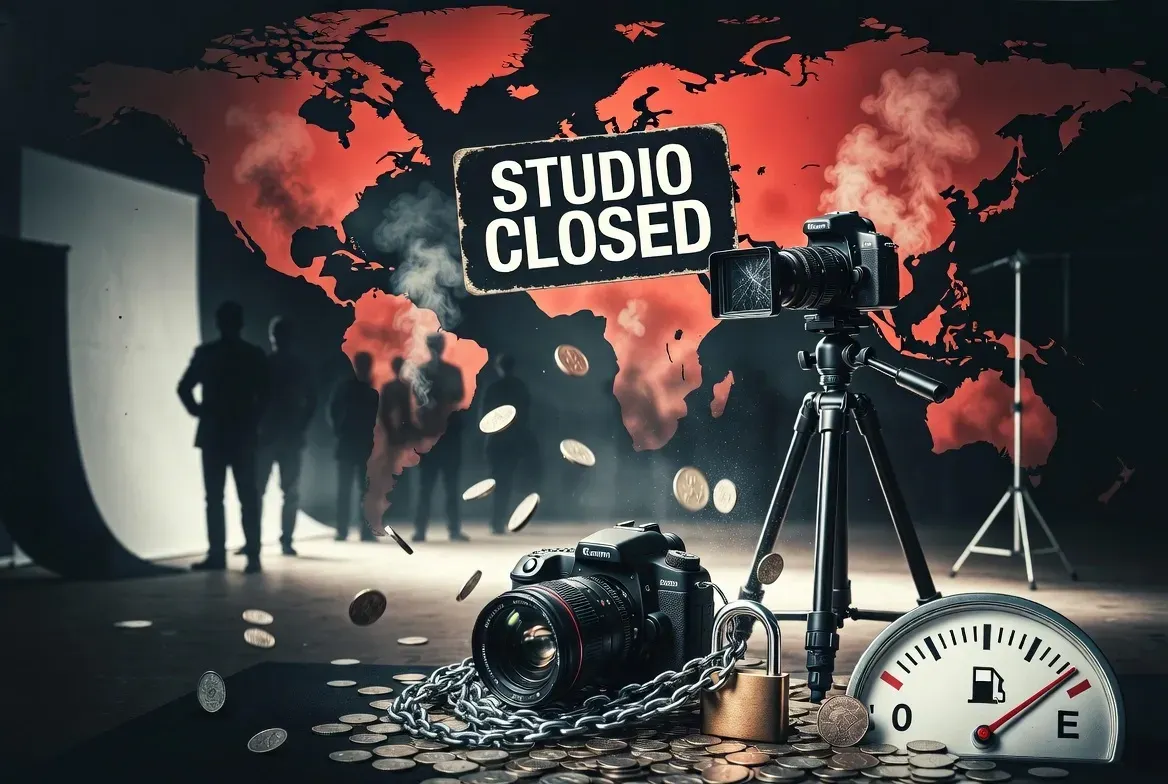
A Global Event With Local Consequences
War rarely feels connected to creative industries at first glance. Photography, especially on the surface, appears insulated from geopolitical events. Cameras, clients, and studios seem far removed from global conflict. However, history consistently shows that major conflicts ripple through every layer of the economy, and photography is no exception.
What begins as instability in one part of the world eventually translates into uncertainty everywhere. Markets react, supply chains tighten, consumer confidence drops, and everyday costs rise. One of the most visible outcomes is increased fuel prices, which then cascade into higher costs for transportation, production, and daily living. While gas prices are not the cause, they are a clear symptom of a much larger shift. And when the cost of living rises, discretionary spending is often the first thing to be reduced.
The First Signs: Clients Start Pulling Back
One of the earliest indicators of economic pressure in photography is client hesitation. When uncertainty increases, people naturally become more cautious with their finances. Sessions that once felt like an easy decision suddenly become something to reconsider.
This does not always show up as a dramatic drop overnight. Instead, it appears gradually. Inquiries slow down, booking timelines extend, and clients ask more questions before committing. Some cancel, others postpone, and many quietly disappear after initial contact. Even clients who move forward may choose smaller packages or limit their purchases.
This behavior aligns with patterns seen in previous economic downturns. When confidence declines, people prioritize essentials and delay or reduce spending on experiences, including photography.
Subscription Cancellations and Budget Reallocation
Another consistent pattern during periods of instability is the cancellation of recurring expenses. Subscriptions, memberships, and non-essential monthly payments are often the first to go as individuals try to regain control over their budgets.
For photographers, this shows up in multiple ways. Clients may cancel payment plans or delay purchases tied to photography services. At the same time, photographers themselves begin cutting back on tools and services they once considered necessary—editing software, marketing platforms, educational memberships, and automation systems.
This creates a tightening effect across the industry. Businesses that rely on recurring revenue feel the pressure, and individual photographers must reassess what is truly essential to their operations.
Rising Costs Behind the Scenes
While clients are spending less, photographers are often facing higher operating costs. Increased fuel prices affect travel, shipping, and logistics. The cost of materials, including prints, albums, and packaging, rises due to supply chain disruptions. Even studio expenses, from utilities to rent, can increase as broader economic conditions shift.
Advertising becomes more expensive as well. As more businesses compete for fewer active buyers, the cost of reaching potential clients increases. This means photographers are paying more to generate leads at a time when fewer leads are converting into bookings.
The result is a challenging imbalance. Revenue becomes less predictable while expenses continue to climb.
Studio Closures and Industry Contraction
When reduced demand and increased costs intersect, the outcome is often a contraction in the industry. Some studios are forced to scale back operations, pause their business, or close entirely. This is not necessarily a reflection of talent or effort, but rather an adjustment to changing market conditions.
Historically, similar patterns have occurred during economic downturns. Industries dependent on discretionary spending tend to shrink before stabilizing. The photography industry has experienced this before, and the current situation reflects many of the same indicators.
At the same time, this contraction often leads to a more competitive environment among those who remain. With fewer clients available, photographers must work harder to differentiate themselves and maintain consistent bookings.
The Psychological Shift in Spending Behavior
Beyond financial limitations, there is also a psychological component that plays a significant role. War and global instability create a sense of uncertainty that influences decision-making. Even individuals who are financially stable may choose to spend less simply because the future feels less predictable.
Photography, as a creative and emotional service, relies heavily on how clients feel. When people are stressed or uncertain, they are less likely to prioritize experiences that require vulnerability, planning, or long-term financial commitment.
This shift in mindset can be subtle but powerful. It changes not only how clients spend but also how they perceive value.
A More Selective Market
As the industry adjusts, one clear trend emerges: the market becomes more selective. Clients who continue to book are often more intentional with their choices. They are looking for quality, trust, and a strong overall experience rather than simply comparing prices.
This creates both a challenge and an opportunity. Photographers who rely on volume or generic offerings may struggle to maintain consistency. Those who focus on building a strong brand, refining their craft, and delivering a high-value experience are more likely to retain and attract clients even in a slower market.
Historically, periods of contraction tend to filter the industry. Businesses that are adaptable and well-positioned continue to operate, while others exit the market.
Adapting to the New Reality
Photographers who navigate these shifts successfully tend to make strategic adjustments rather than reactive ones. They focus on improving the quality of their work, strengthening their client experience, and becoming more efficient with their marketing efforts.
This may involve refining skills such as posing, lighting, and communication to create stronger images that resonate more deeply with clients. It may also include reevaluating pricing structures, diversifying income streams, or investing in long-term brand development rather than short-term gains.
The goal is not to fight the market, but to adapt to it.
Conclusion
War and global instability have a far-reaching impact that extends into industries like photography in ways that are not immediately obvious. Rising fuel costs, increased living expenses, and shifting consumer behavior are all part of a larger economic response that affects both clients and photographers.
History shows that during these periods, spending becomes more cautious, subscriptions are reduced, and discretionary industries experience a slowdown. The photography industry is following that same pattern, with studios closing, bookings declining, and costs rising.
However, these challenges also create a moment of clarity. As the market becomes more selective, the importance of quality, experience, and strong fundamentals becomes more apparent. Photography is not disappearing, but it is evolving under pressure.
For those who adapt, refine their craft, and understand the changing needs of their clients, this period can become not just a challenge, but an opportunity to emerge stronger in a more focused and competitive industry.